Exploring the Temples of Angkor Wat: A Complete Itinerary
The Angkor Archaeological Park, located near Siem Reap in Cambodia, is one of the most significant cultural heritage sites in Southeast Asia. Covering over 400 square kilometers, the park contains the remains of the Khmer Empire, including the iconic Angkor Wat, the Bayon with its stone faces, and Ta Prohm embraced by jungle. Planning a visit requires thoughtful preparation, as the complex is vast and the tropical climate can be demanding. A structured itinerary helps visitors experience the temples comfortably while respecting the cultural and historical context.
Entry passes are available for one, three, or seven days. A one-day pass costs $37, a three-day pass $62 (usable within 10 days), and a seven-day pass $72 (usable within 30 days). Passes can be purchased at the main ticket office or online. It is advisable to buy passes in advance to avoid queues, especially during peak season from November to April. The park opens at 5:00 AM and closes at 5:30 PM, though some temples have earlier closing times. Many visitors begin their day before sunrise to witness the sun rising behind Angkor Wat, a popular experience.
The following three-day itinerary balances major highlights with lesser-visited temples, allowing for a thorough exploration without excessive rush. Each day focuses on a different sector of the park, and the routes are designed to minimize travel time between sites. Transport options include tuk-tuks, bicycles, or private car hire, with tuk-tuks being the most common choice for flexibility and affordability.
Day One: Angkor Wat and Angkor Thom
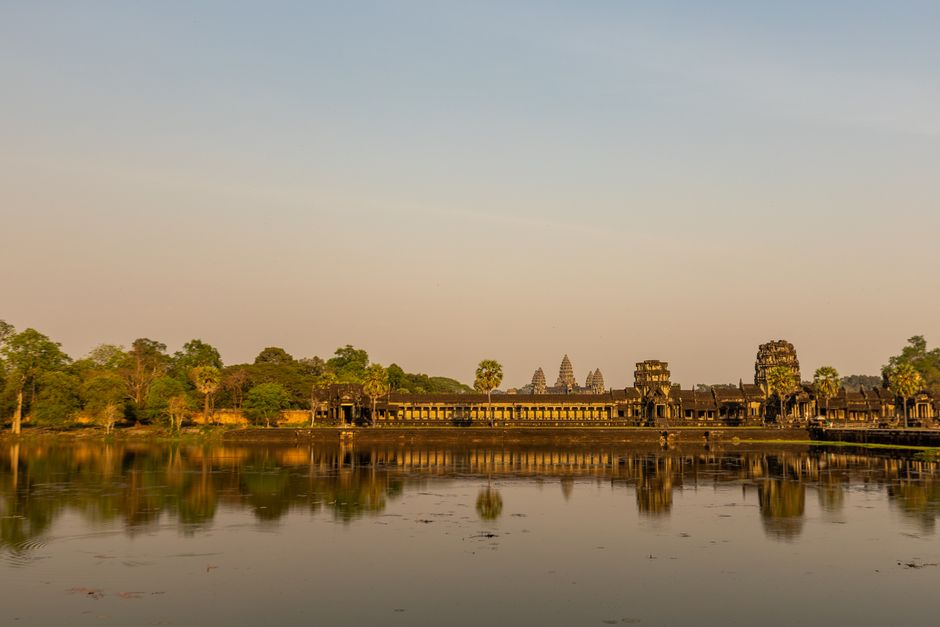
The first day is best dedicated to the central area of the park. Starting at 5:00 AM, visitors can enter Angkor Wat from the west gate and walk across the long causeway to the temple. The reflection pool near the entrance provides a classic sunrise viewpoint. After sunrise, exploring the temple slowly is recommended. Angkor Wat is the largest religious monument in the world, and its vast galleries, bas-reliefs, and central tower require about two to three hours for a meaningful visit. The upper level, which offers panoramic views, is accessed via a steep staircase and may be restricted when crowded.
By mid-morning, the heat increases, so moving to Angkor Thom, the ancient city, is a logical step. The South Gate, lined with statues of gods and demons, is the main entry. Inside, the Bayon temple is known for its 216 stone faces. Allocating about one hour here is reasonable. Nearby, the Baphuon temple, Terrace of the Elephants, and Terrace of the Leper King can be explored. These structures are interconnected by a path. Lunch can be taken at one of the small restaurants near the Terrace of the Elephants or at the Angkor Thom gate area.
The afternoon may include Phimeanakas and the Royal Palace area, though little remains of the palace. The Terrace of the Elephants is a good spot for a short rest. By around 3:00 PM, the light begins to soften, making it a suitable time to return to Angkor Wat for a different perspective on the carvings and the western approach. The temple closes at 5:30 PM, but many visitors leave by 5:00 PM to avoid the rush.
Day Two: Grand Circuit and Ta Prohm
The second day focuses on the Grand Circuit, a roughly 26-kilometer loop that covers several well-preserved temples. Starting early, around 7:00 AM after sunrise, the first stop is Preah Khan, a massive monastic complex that once housed 1,000 monks. Its long corridors and carved lintels are striking. Allow one to one and a half hours. From there, a short drive leads to Neak Pean, an artificial island temple representing an unusual Buddhist iconography. The walkway across the water is scenic, though the temple itself is small. About 45 minutes is sufficient.
Continuing along the circuit, Ta Som is a quiet temple with a large tree growing over its east gate. It offers a less crowded version of Ta Prohm’s jungle atmosphere. Another 30 minutes is enough. Next, East Mebon, a temple on a former island, features well-preserved stone elephants and a terrace. After that, Pre Rup is one of the most popular sunset spots, with its steep pyramid structure. Some visitors prefer to visit Pre Rup earlier and then move to a different sunset location, but it works well as a late afternoon stop.
In the late morning, the itinerary includes Ta Prohm, the famous temple intertwined with silk-cotton and strangler fig trees. Ta Prohm is best visited between 10:00 AM and 12:00 PM, as the morning crowds from the sunrise group have thinned. The tangled roots and moss-covered stones make it a photographer’s favorite. Allow one and a half hours. Lunch can be had at a restaurant near Ta Prohm or at the larger food court inside the park. The afternoon may include a return to the hotel for a rest or a visit to a smaller temple like Banteay Kdei, which is next to Srah Srang, a baray (reservoir) with a terrace. The day ends with sunset at Pre Rup, arriving around 4:30 PM to secure a good position.
Day Three: Outer Temples and Rolous Group
The third day is dedicated to temples located further from the main cluster. Banteay Srei, about 32 kilometers north of Angkor Wat, is renowned for its intricate pink sandstone carvings. It is often called the “citadel of women” due to the delicate decorations. To reach it, a drive of around 45 minutes is necessary. The temple opens at 7:30 AM, so leaving Siem Reap at 6:30 AM is advisable. Banteay Srei is compact, but its details reward a slow visit of about one hour. Nearby, Banteay Samre is a well-restored temple with a peaceful atmosphere, requiring another 30 minutes.
From there, the route loops back toward the park to explore the Rolous Group, the earliest major temples of the Angkor period. This group includes Bakong, Preah Ko, and Lolei. Bakong, a stepped pyramid mountain temple, is the largest and most impressive. It takes about 45 minutes to climb and explore. Preah Ko is a small temple with six towers arranged in two rows. Lolei is partly in ruins, with a modern monastery nearby. The Rolous Group is less visited, offering a quieter experience.
The afternoon can be flexible. Some visitors choose to revisit a favorite temple, explore the Angkor National Museum in Siem Reap, or take a guided tour of the floating villages on Tonle Sap Lake. Alternatively, a late afternoon stroll through Angkor Wat’s outer galleries can reveal overlooked carvings. The third day ends the structured itinerary, but travelers with more time may extend their visit with a fourth day focusing on remote sites such as Koh Ker or Beng Mealea, which require a full-day trip.
Practical Considerations for Planning
When preparing for a visit, several factors affect the overall experience. Clothing should cover shoulders and knees, as temples are religious sites. Lightweight, breathable fabrics are recommended due to the heat. Sunscreen, a hat, and plenty of water are essential, as shaded areas are limited. Many visitors hire a local guide for two to three days to gain historical context, though self-guiding with a reliable travel app or book is also possible.
The best months to visit are from November to February, when temperatures are lower and rainfall is minimal. March and April are hotter but still dry, while the rainy season from June to October brings lower crowds and lush greenery, though some roads may be muddy. Passes are non-transferable and must be shown at each temple checkpoint. Photography is allowed in most areas, but tripods require a special permit for commercial use. The Angkor Archaeological Park is a UNESCO World Heritage site, and visitors are expected to refrain from touching the carvings or climbing on fragile structures.
Accommodation in Siem Reap ranges from budget guesthouses to luxury resorts, most within a short drive from the park. Arranging a tuk-tuk driver for the entire day is common, with rates typically between $15 and $25 per day depending on the route. Bicycle rentals cost around $2 to $3 per day and are suitable for the small circuit, though the Grand Circuit and outer temples require more stamina. For those with limited time, a two-day itinerary can cover the main temples by combining Day One and the highlights of Day Two, skipping some of the less prominent sites. Regardless of the chosen plan, taking breaks in the shade and pacing oneself will enhance the experience.