How to Plan a Budget Backpacking Trip Through Southeast Asia
Planning a budget backpacking trip through Southeast Asia requires a thoughtful approach that balances cost-conscious decisions with the desire for a rich travel experience. The region offers a wide range of options for travelers looking to stretch their funds, from affordable guesthouses to street food markets and low-cost transportation networks. Understanding how to allocate resources effectively can help make the journey both enjoyable and financially manageable.
This article outlines a practical framework for planning a budget-friendly backpacking itinerary across popular destinations such as Thailand, Vietnam, Laos, Cambodia, and Indonesia. By focusing on accommodation, food, transportation, and daily expenses, travelers can develop a strategy that suits their personal preferences and financial constraints. The following sections provide step-by-step guidance on each key aspect of budget travel in Southeast Asia.
It is important to note that actual costs vary depending on factors such as exchange rates, seasonal demand, and personal spending habits. The methods described here are intended to offer a general structure for planning rather than a fixed budget or guaranteed savings.
Understanding Your Budget and Setting Priorities
Before embarking on a backpacking trip, it is helpful to establish a clear picture of available funds and how they will be allocated throughout the journey. Travelers can start by estimating the total number of days they plan to spend in Southeast Asia and then working backward to determine a daily spending limit. This daily benchmark should include accommodation, meals, local transport, activities, and a small buffer for unexpected costs.
One common approach is to categorize expenses into fixed and variable groups. Fixed expenses typically include long-distance transportation between countries or major cities, visa fees, and travel insurance. Variable expenses cover everyday items like food, lodging, and entry fees for attractions. By setting a maximum for fixed costs, travelers can more easily adjust variable spending based on real-time conditions.
Another useful step is to research typical price ranges for each destination. For example, dormitory beds in hostels may cost between five and fifteen dollars per night, while a local street food meal might range from one to three dollars. Knowing these figures helps in creating a realistic budget that avoids overestimating or underestimating daily costs. It also allows for flexibility, such as occasionally upgrading to a private room or splurging on a guided tour without exceeding the overall budget.
Choosing Affordable Accommodation
Accommodation is often one of the largest expenses during a backpacking trip, but Southeast Asia offers a wide spectrum of budget-friendly options. Hostels remain the most common choice for solo travelers and groups alike, providing dormitory beds at low nightly rates. Many hostels also include communal kitchens, common areas, and social events that can reduce other costs.
Guesthouses and budget hotels are another option, especially in rural areas or smaller towns where hostels may be less common. These establishments typically offer private rooms with basic amenities at prices only slightly higher than a hostel dorm bed. Booking directly with the guesthouse upon arrival can sometimes lead to lower rates than online platforms, though this depends on availability and demand.
Homestays provide an opportunity to experience local culture while keeping costs low. In many villages, families rent out a spare room or a hut for a modest fee, often including home-cooked meals. This arrangement not only saves money but also offers insight into daily life in the region. Platforms like Airbnb and local booking sites list some of these options, but it is also possible to find them by simply asking around upon arrival.
For travelers who prefer more independence, camping is occasionally available in national parks or on certain islands, though it requires carrying appropriate gear. Regardless of the accommodation type, it is wise to read recent reviews and check for basic security features such as lockers or secure doors.
Eating Well on a Shoestring
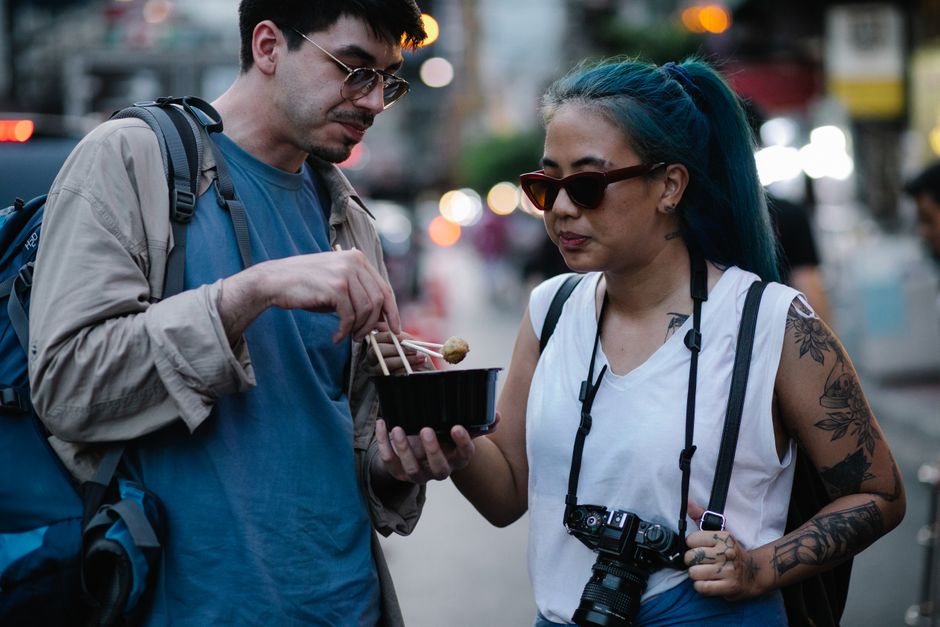
Food is one area where budget-conscious travelers can save significantly without sacrificing quality or variety. Street food stalls and local markets are abundant throughout Southeast Asia, offering freshly prepared meals at a fraction of restaurant prices. In cities like Bangkok, Hanoi, and Ho Chi Minh City, a plate of noodles or rice with vegetables and protein often costs between one and three dollars.
To minimize food expenses, it helps to eat where locals eat rather than in tourist-oriented areas. Markets that sell groceries and prepared food allow travelers to assemble simple meals such as fruit, bread, or cooked rice with toppings. Many hostels and guesthouses also provide a kitchen or a common area where guests can prepare their own food, which can reduce costs further.
Staying hydrated is another important consideration. Buying bottled water is inexpensive, but carrying a reusable water bottle and using water purification tablets or filters can save money over time while reducing plastic waste. In some accommodations, drinking water is provided for free or at a very low cost. Eating seasonally and locally grown produce also helps keep food costs predictable, as imported items tend to be more expensive.
Navigating Transportation Across the Region
Getting from one country to another and moving within destinations is a significant part of any backpacking itinerary. Southeast Asia has a well-developed network of buses, trains, minivans, and ferries that connect major tourist hubs. Buses are often the most economical option for long distances, especially in countries like Thailand and Vietnam where overnight buses reduce the need for accommodation.
Trains are available in some countries, notably Thailand, Vietnam, and Malaysia, offering a comfortable and relatively affordable way to travel. Second-class and third-class carriages are cheaper than first-class and still provide adequate seating or sleeper berths. Booking train tickets a day or two in advance is common, but for popular routes, buying tickets earlier may secure a lower price.
Local transportation within cities and towns can be managed with public buses, shared taxis, motorbike taxis, or tuk-tuks. Negotiating fares before getting into a vehicle is a standard practice, and using ride-hailing apps such as Grab can provide transparent pricing. For shorter distances, walking is not only free but also a great way to explore neighborhoods and discover hidden gems.
Renting a scooter or motorcycle is another option for travelers with a valid license and experience. While renting can be cheaper than daily taxi fares, it comes with responsibilities such as fuel costs, insurance, and safety considerations. Travelers should check local traffic laws and wear a helmet at all times. For those who prefer not to drive, shared minivans and local buses offer flexible routes at low prices.
Managing Daily Expenses and Staying Safe
Beyond accommodation, food, and transportation, daily expenses include activities, entry fees, communication, and health-related costs. Many tourist attractions in Southeast Asia have modest entry fees, and some temples, markets, and natural sites are free to explore. Researching which sights are worth visiting and which can be skipped helps keep spending in check without missing meaningful experiences.
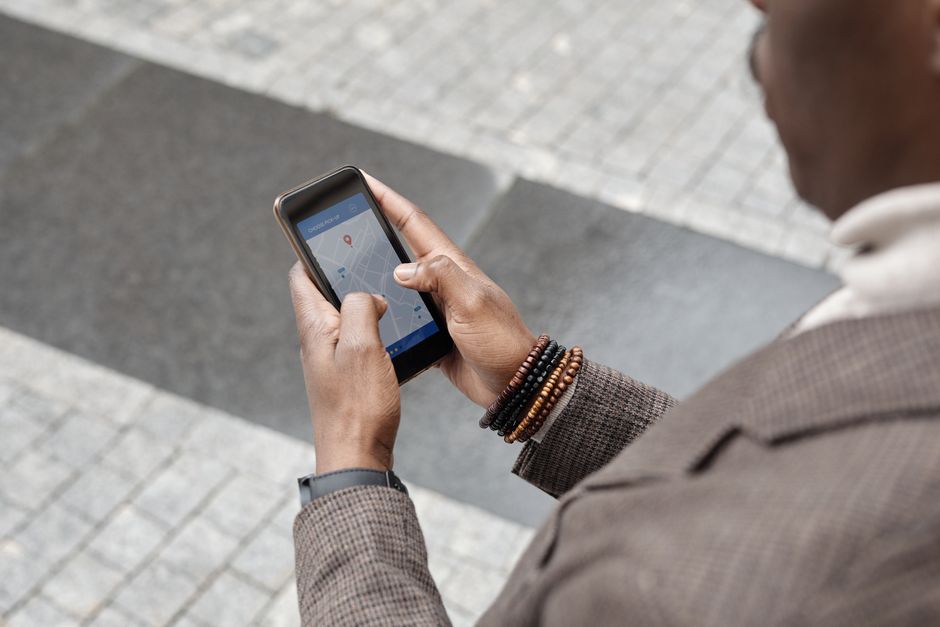
Staying connected is relatively inexpensive. Local SIM cards with data plans can be purchased for a few dollars, providing internet access for maps, booking, and communication. Alternatively, portable Wi-Fi devices are available for rent, but they are often costlier than a local SIM. Using offline maps and downloading content ahead of time reduces data usage.
Safety measures are an integral part of budget travel because unexpected incidents can derail finances. Travel insurance is strongly recommended, as medical treatment or trip interruptions can be costly. Additionally, keeping copies of important documents, using lockers for valuables, and being aware of common scams in tourist areas can prevent losses. Planning an itinerary that includes some flexibility allows travelers to adapt to changing circumstances without financial strain.
Resources such as travel blogs, guidebooks, and forums offer up-to-date information on prices and conditions. Wander Compass provides practical articles and tools that help travelers organize their trips while maintaining a focus on cost efficiency. By integrating these strategies, backpackers can create a sustainable travel plan that aligns with their budget and travel goals.