What to Pack for a Month in Europe: Essential Gear Checklist
Preparing for a month-long journey across Europe involves thoughtful planning around what to bring. The duration of the trip, combined with varying climates and cultural norms, makes a well-organized packing list a useful tool for any traveler. Rather than focusing on a single outcome, the goal is to create a versatile set of belongings that can adapt to different situations, from city sightseeing to countryside walks.
Many travelers find that the key to a comfortable extended stay lies in choosing items that serve multiple purposes and packing them in a way that minimizes bulk. This approach not only simplifies daily logistics but also leaves room for any purchases made along the way. The following sections outline common categories of gear and offer general guidance on what to consider when assembling a month-long packing list.
Clothing and Layering Strategies
Clothing for a month in Europe benefits from a capsule wardrobe approach, where each piece coordinates with several others. Neutral colors and classic cuts help create multiple outfits from a limited number of items. Fabrics such as merino wool, quick-dry synthetics, and cotton blends are often chosen for their breathability and ease of washing.
Layering is a practical method for dealing with temperature fluctuations that can occur within a single day or between regions. A typical layering system includes a base layer (such as a lightweight long-sleeve shirt), an insulating mid-layer (like a fleece or lightweight sweater), and an outer shell that is both windproof and water-resistant. This combination works well for both cool mornings and warmer afternoons.
Footwear warrants special attention, as travelers often walk extensively. One pair of comfortable walking shoes or low hiking boots, plus a pair of dressier flats or loafers for evenings, usually suffices. Sandals or flip-flops are useful for hostels, beaches, or warm days. Socks and underwear made from moisture-wicking materials can reduce the number needed if washed periodically. Many travelers also include a lightweight scarf, a hat, and gloves depending on the season and destinations on the itinerary.
Electronics and Power Management
Modern travel involves a range of electronic devices, and managing them efficiently can make daily routines smoother. A universal power adapter that covers multiple plug types (such as C, E, F, G, and L) is essential, as electrical outlets vary across Europe. A voltage converter may be needed for devices that do not support dual voltage, though most modern phone and laptop chargers are rated for 100–240 volts.
Portable power banks are commonly carried to recharge devices during long days away from accommodations. A capacity of 10,000 to 20,000 mAh provides enough reserve for a smartphone or tablet. Cables should be kept organized with a small pouch or cable ties to prevent tangling. Noise-canceling headphones or earphones can be helpful during flights, train rides, or in shared spaces.
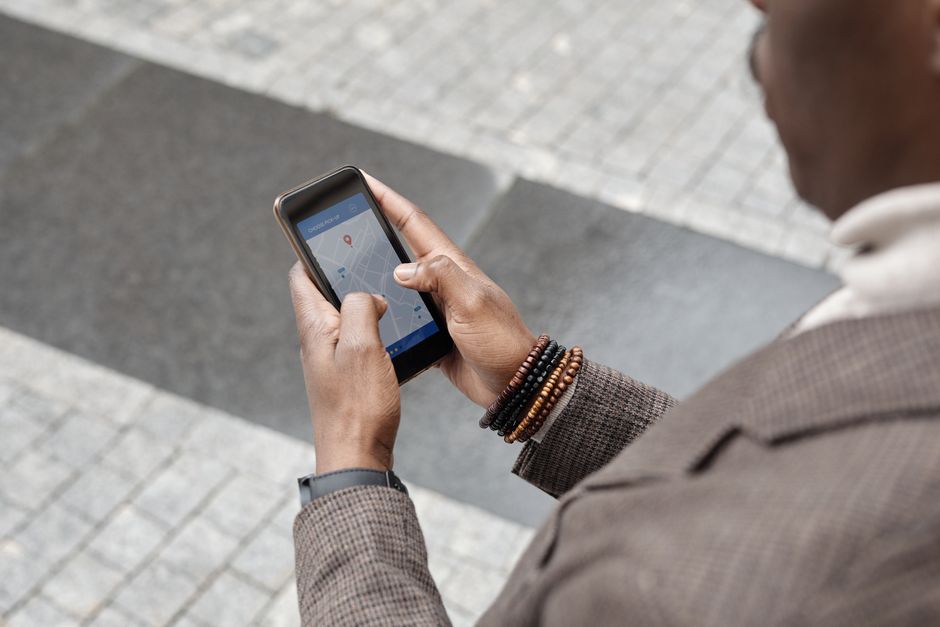
Consider whether a laptop or tablet is necessary for the trip. For many travelers, a smartphone with offline maps, translation apps, and digital copies of documents suffices. Cloud storage services allow access to important files without carrying extra hardware. A small flashlight or headlamp may also be useful in dormitories or during power outages.
Toiletries and Personal Care Items
Toiletries for a month-long stay should be compact and comply with airline liquid restrictions if flying between destinations. Travel-sized containers that hold 3.4 ounces (100 milliliters) or less are standard for carry-on luggage. Solid alternatives, such as shampoo bars, conditioner bars, and solid deodorant, can reduce liquid volume and last longer.
Multipurpose products help streamline the kit. For example, a combination sunscreen and moisturizer, or a face wash that also works as a body wash, can reduce the number of bottles. A small first-aid kit with adhesive bandages, antiseptic wipes, pain relievers, and any personal medications is advisable. Travelers should verify that any prescription medications are legally allowed in the countries they plan to visit.
Toothbrush, toothpaste, floss, and a razor are basic items. Some travelers prefer a microfiber towel that dries quickly and takes up minimal space. A small sewing kit, stain remover wipes, and a laundry travel line can be helpful for washing clothes in a sink. Be mindful that many European accommodations provide basic toiletries such as soap and shampoo, so it may not be necessary to bring full-sized versions.
Important Documents and Financial Tools
Keeping documents organized and accessible is a fundamental part of trip preparation. A passport with at least six months of validity beyond the return date is typically required. Photocopies or digital scans of the passport, visa (if applicable), travel insurance policy, and itinerary should be stored separately from the originals, both physically and in a secure cloud account.
Travel insurance documentation is worth carrying, as it may be needed for medical visits or lost baggage claims. Many travelers also bring a few passport-sized photos, which can be useful for local permits or unexpected visa extensions. A printed copy of accommodation addresses, flight confirmations, and emergency contact numbers provides a backup in case of phone battery failure.
Financial preparation involves notifying banks and credit card companies of travel plans to avoid frozen accounts. A combination of a credit card with no foreign transaction fees and a debit card for ATM withdrawals works well for most European destinations. It is wise to carry a small amount of local currency as a backup, especially in places where card acceptance is less common. A money belt or hidden pouch can help keep valuables secure in crowded areas.
Luggage and Organization Systems
The choice of luggage influences mobility and convenience. A carry-on size suitcase (typically 20–22 inches) combined with a daypack or personal item is a popular setup for month-long travel. This configuration allows passengers to avoid checked bag fees and reduces the risk of lost luggage. Soft-sided backpacks are another option, offering hands-free movement on trains and cobblestone streets.
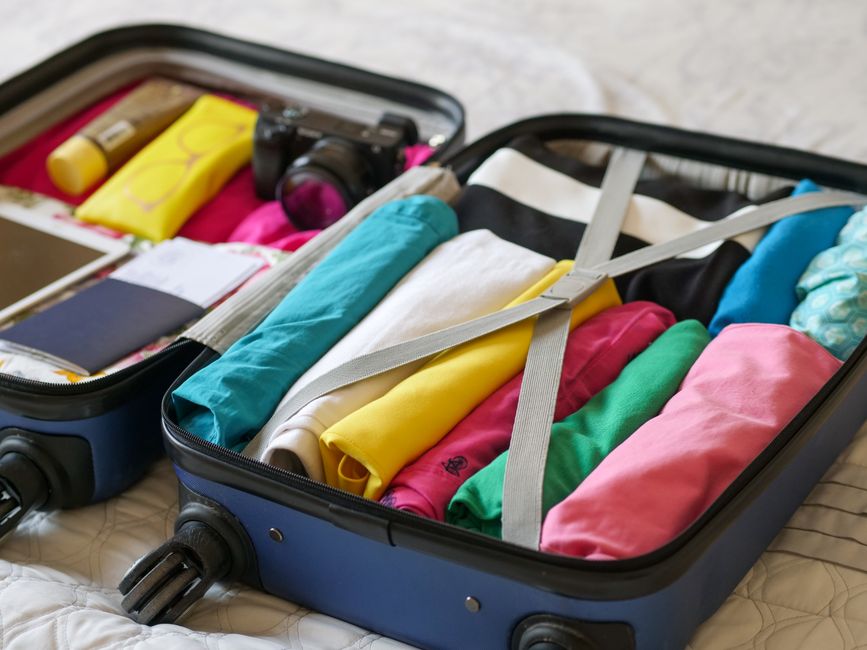
Packing cubes or compression sacks help keep clothing organized and maximize space. Separate cubes for tops, bottoms, and undergarments make it easy to find items without unpacking everything. A small dry bag can be used for dirty laundry or wet items. Some travelers also include a lightweight tote bag for groceries, beach visits, or extra souvenirs.
Regardless of the luggage type, weight distribution matters. Placing heavier items near the wheels or the back of a backpack improves balance and reduces strain. Carrying a lock that meets TSA standards provides security for zippers. Many travelers find that a well-organized bag reduces stress and allows more time to enjoy the journey itself.